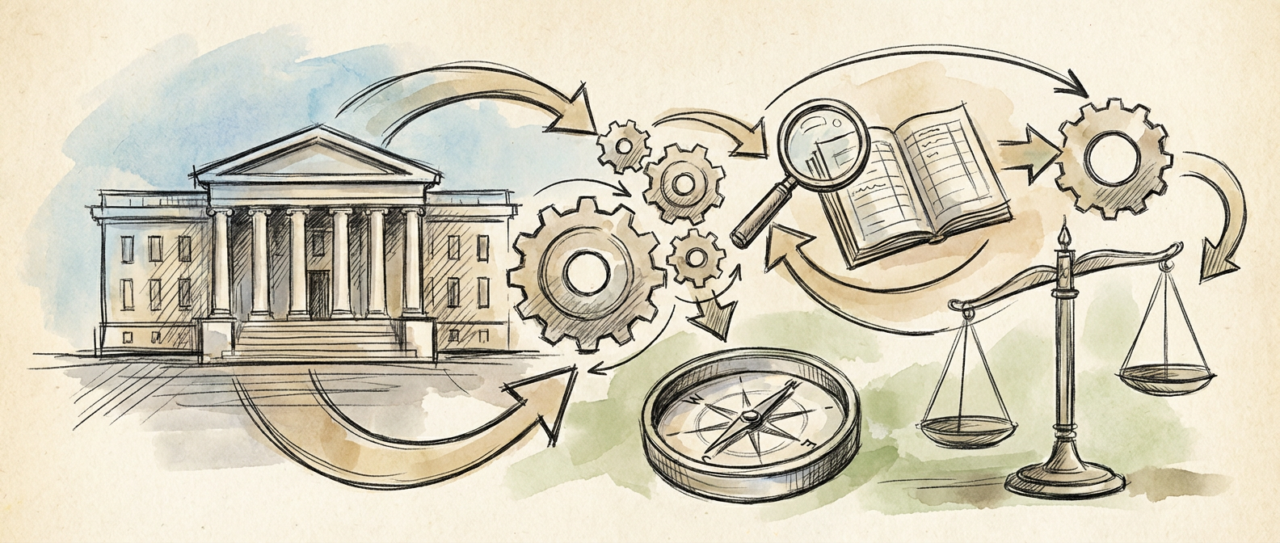
The Democracy Detective’s Toolkit
Picture this: your city council promises to fix potholes, reduce crime, and improve schools. Six months later, you’re still dodging craters on Main Street while wondering if those campaign promises vanished into thin air. Sound familiar? Here’s the thing: government accountability isn’t a mystery novel. The clues are everywhere, and you don’t need a political science degree to follow them.
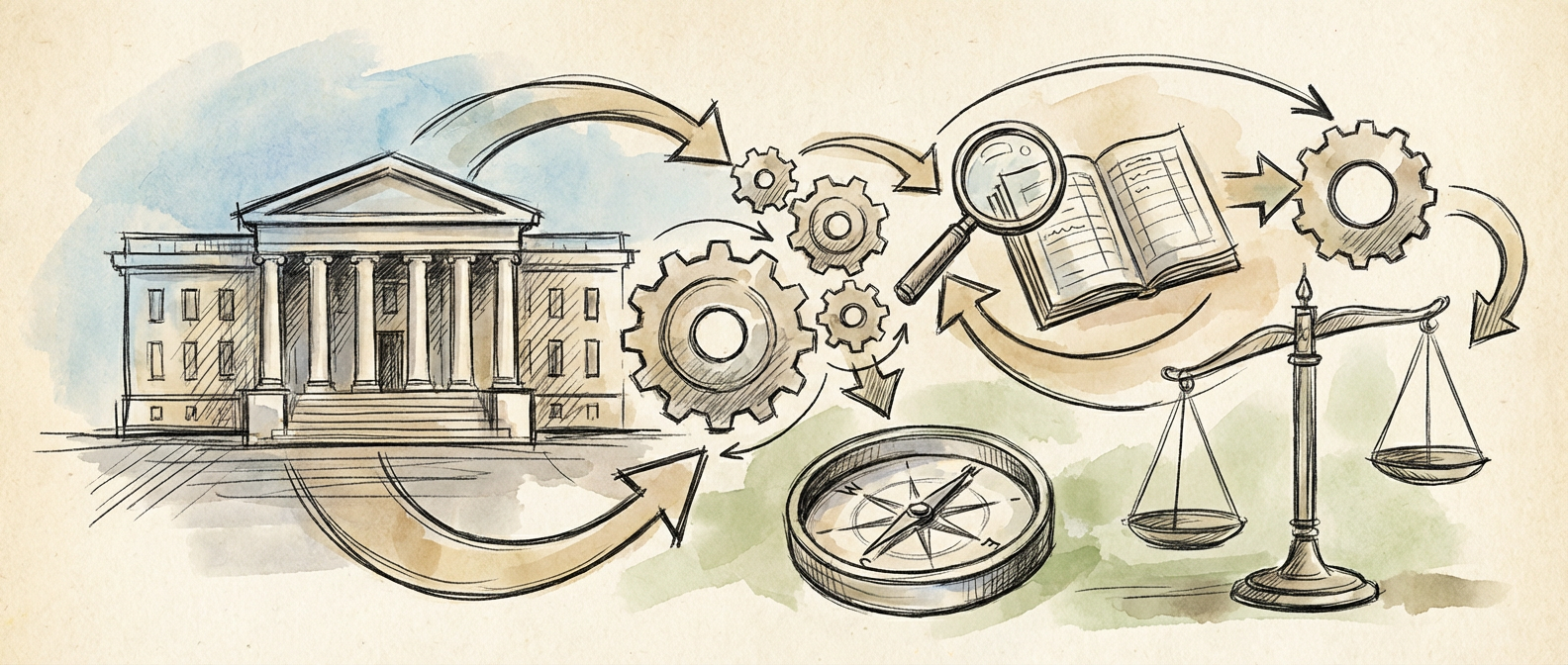
Every level of government churns out paperwork like a bureaucratic assembly line. Meeting minutes, budget documents, voting records, and progress reports pile up in digital archives and filing cabinets. Honestly, it’s overwhelming at first. The challenge isn’t finding evidence of what your representatives are doing. It’s knowing where to look and what questions to ask.
Start with the basics: official government websites. Most municipalities post council meeting agendas, minutes, and voting records online. County and state governments maintain similar databases. Federal agencies publish everything from spending reports to policy updates. The Government Accountability Office releases detailed audits that read like detective stories for policy nerds. Some of these reports are actually fascinating, once you get past the bureaucratic language.

Following the Money Trail
Budget documents tell the real story. Politicians can promise the moon, but budgets reveal priorities with mathematical precision. When your mayor talks about investing in infrastructure, check the capital improvements budget. When your governor emphasizes education, examine per-pupil spending trends over multiple years.
Don’t just look at totals. Dig into line items. That $2 million “community development” allocation might fund actual neighborhood improvements, or it could disappear into administrative overhead. I’ve seen too many projects where half the budget goes to “consulting fees” and “program management.” Compare budget proposals to actual expenditures. The gap between promise and performance often lives in those numbers.
Public records laws give you access to detailed financial information. Most states require regular disclosure of government contracts, vendor payments, and employee salaries. Websites like USAspending.gov track federal expenditures down to individual transactions. Local transparency portals are becoming standard in cities nationwide, though some are more user-friendly than others.
Watch for red flags: budget amendments that redirect funds without explanation, contracts awarded without competitive bidding, or sudden increases in “consulting” expenses. These patterns often signal accountability problems before they become front-page scandals.
Measuring Real-World Outcomes
Smart accountability tracking goes beyond inputs to measure actual results. Your city might spend millions on public safety, but are crime rates dropping? The school district could hire more teachers, but are test scores improving? Infrastructure budgets look impressive on paper, but how many miles of road actually got repaired?
Government agencies love publishing performance metrics, but approach these with healthy skepticism. Bureaucrats excel at gaming statistics to tell favorable stories. Crime rates might decline because police change how they classify incidents. Graduation rates could improve through lowered standards rather than better education. I’ve watched school districts celebrate “improved performance” right after making tests easier.
Cross-reference official statistics with independent sources. Local newspapers often maintain their own databases. Civic organizations conduct parallel research. University researchers publish studies on government effectiveness. The Bureau of Labor Statistics, Census Bureau, and other federal agencies provide neutral benchmarks for comparison.
Look for trends over time rather than cherry-picking single data points. Real progress shows consistent improvement across multiple measurement periods. Sudden spikes or dips often indicate changes in how things get measured rather than actual performance shifts.
The Voting Record Reality Check
Voting records provide the clearest window into representative priorities. Campaign rhetoric vanishes, but votes remain permanently documented. Track how your representatives vote on issues you care about. Do their actions align with their promises? You might be surprised by what you find.
Pay attention to committee work and procedural votes. These often matter more than high-profile floor votes that generate headlines. A representative might vote for the final education bill while consistently opposing amendments that would strengthen it. Committee assignments reveal where representatives focus their actual energy, not just their public talking points.
Attendance matters too. Representatives who miss critical votes or committee meetings aren’t effectively representing constituents. Some organizations track attendance rates and make this information publicly available. Nothing irritates me more than representatives who skip important votes and then complain about the outcomes.
Document patterns over full terms rather than isolated votes. Politicians sometimes cast symbolic votes knowing the outcome is already decided. Look for consistency across related issues and multiple legislative sessions.
Building Your Accountability System
Create a simple tracking system that works for your schedule and interests. Pick three to five issues you care about most. Set calendar reminders to check progress quarterly. Build a folder system for storing relevant documents and links. Don’t try to track everything at once, or you’ll burn out quickly.
Many accountability tracking tools already exist. GovTrack.org follows federal legislation and voting patterns. Ballotpedia provides comprehensive information on state and local politics. Local good government groups often maintain scorecards on city council or county commissioner performance. Start with these resources before reinventing the wheel.
Connect with other engaged citizens. Join neighborhood associations, attend public meetings, or participate in online civic forums. Collective tracking efforts are more effective than individual research. Share findings through letters to editors, social media posts, or community presentations. Plus, it’s more fun to investigate with other people who actually care.
Remember that accountability is an ongoing process, not a destination. Government performance evolves constantly. New challenges emerge, priorities shift, and leadership changes. Effective tracking requires patience and persistence. Some months you’ll find exciting progress. Other months you’ll want to bang your head against a wall.
Democracy works best when citizens stay informed and engaged. Your attention creates pressure for better performance. Representatives who know people are watching tend to work harder and make fewer questionable decisions. Start with one issue, one representative, or one budget line item. The democracy detective skills you develop will serve your community for years to come.