

Ukrfoto - Your Source for Ukrfoto Content

Rigorous political analysis for readers who want to understand the system, not just react to it.

How Money Flows Through Your Neighborhood Fight (And Why That Matters More Than You Think)

Every Local Battle Has a Budget Trail

When your neighbors organize against that new development down the street, something fascinating happens behind the scenes. Money starts moving. Not just the obvious developer dollars, but a complex web of financial incentives that shapes who shows up, who speaks loudest, and ultimately who wins. Understanding these money flows isn’t cynical, it’s essential for effective neighborhood organizing.

How Money Flows Through Your Neighborhood Fight (And Why That Matters More Than You Think)

Take the classic fight over upzoning a residential block. The developer has clear financial incentives: more units mean more profit. But dig deeper and you’ll find the city planning department gets application fees, the mayor’s office weighs tax revenue increases, and local businesses calculate foot traffic changes. Meanwhile, homeowners face property tax implications that vary wildly based on their mortgage status and length of residence.

This isn’t about corruption or conspiracy. It’s about recognizing that every stakeholder operates within financial constraints and opportunities that influence their position. Smart neighborhood organizers map these incentives before they plan their first meeting.

Illustration for How Money Flows Through Your Neighborhood Fight (And Why That Matters More Than You Think)

Who Can Afford to Show Up Shapes Who Gets Heard

Here’s a reality check: effective community organizing requires time, and time costs money. The parent working two jobs can’t attend Tuesday evening planning meetings. The small business owner can’t take three hours on a Wednesday afternoon for a city council hearing. The recent graduate with student loans can’t contribute to the neighborhood association’s legal fund.

This creates a predictable pattern where the most financially stable residents, often homeowners with flexible schedules, dominate local organizing efforts. Their concerns get amplified while others remain invisible in official processes. Developers and city officials know this. They schedule hearings during work hours and require formal written comments that favor educated, native English speakers.

Successful neighborhood organizers acknowledge this reality and work around it. They hold weekend meetings, provide childcare, offer multiple ways to participate, and actively recruit voices that might otherwise be excluded. They also budget for these accommodations from the start, recognizing that inclusive organizing has real costs.

The Hidden Economics of Professional Opposition

Ever notice how some neighborhood fights suddenly have polished presentations, professional-grade flyers, and speakers who seem remarkably well-informed about zoning law? That’s often because someone hired help. Homeowner associations increasingly employ consultants, attorneys, and public relations firms to amplify their message.

There’s nothing inherently wrong with professional assistance, but it creates an uneven playing field. A neighborhood that can raise $50,000 for legal fees approaches city council very differently than one relying on volunteer research and homemade signs. The consultant-backed group submits detailed traffic studies while the grassroots group offers passionate testimony about community character.

Smart cities recognize this disparity and create mechanisms for meaningful public input that don’t require professional representation. Look for planning processes that provide independent technical assistance, translation services, and multiple engagement formats. When your neighborhood faces a major issue, research whether your city offers resources to level the playing field.

City Hall’s Financial Incentives Matter More Than Politics

Here’s something most neighborhood organizers miss: your city council member’s vote often has less to do with their political philosophy than with the city budget. Cities need revenue to provide services, and development generates ongoing tax income while neighborhood preservation typically doesn’t. A new apartment complex brings decades of property taxes. A preserved historic district brings charm but limited financial benefit.

This creates a structural bias toward development in growing cities and toward preservation in places with stable tax bases. Council members in cash-strapped cities face genuine pressure to approve revenue-generating projects, even when neighborhood opposition is strong. Understanding your city’s financial health helps explain why some fights feel impossible despite broad community support.

Effective neighborhood advocates research their city’s budget situation and frame their arguments accordingly. Instead of just opposing unwanted development, they propose alternatives that address legitimate municipal financial needs. Maybe that’s advocating for a different type of development, identifying overlooked revenue sources, or building coalitions with taxpayer groups who share fiscal concerns.

Building Power Through Smart Resource Strategy

The most successful neighborhood organizing campaigns treat resource mobilization as seriously as they treat community outreach. They start by honestly assessing what their fight will cost in time, money, and expertise. They identify which community members can contribute what resources and recruit accordingly. They research what professional services they might need and budget for them early.

They also pay attention to their opposition’s resource constraints. That developer pushing for fast approval might have financing deadlines that create negotiation opportunities. City staff managing multiple controversial projects might welcome a neighborhood group that comes prepared with specific, reasonable requests rather than general opposition.

Most importantly, they build relationships before they need them. The neighborhood association that hosts monthly coffee hours and maintains an email list can mobilize quickly when issues arise. The group that has worked constructively with city staff on small issues builds credibility for larger fights.

Understanding the financial dynamics of neighborhood organizing isn’t about becoming cynical, it’s about becoming effective. When you know how money influences every stakeholder’s position, you can build strategies that work with those realities rather than against them. Your passion for your community deserves tactics smart enough to win. Want to explore how this plays out in your specific neighborhood? Start by researching your city’s current budget priorities and identifying which residents have the flexibility to engage in extended organizing efforts.
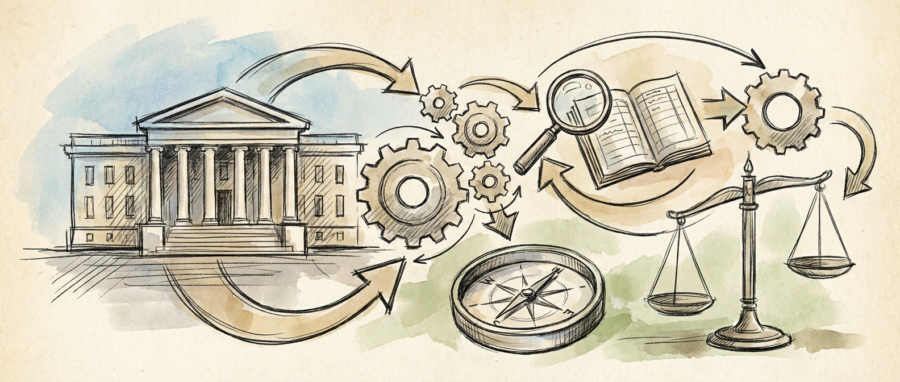
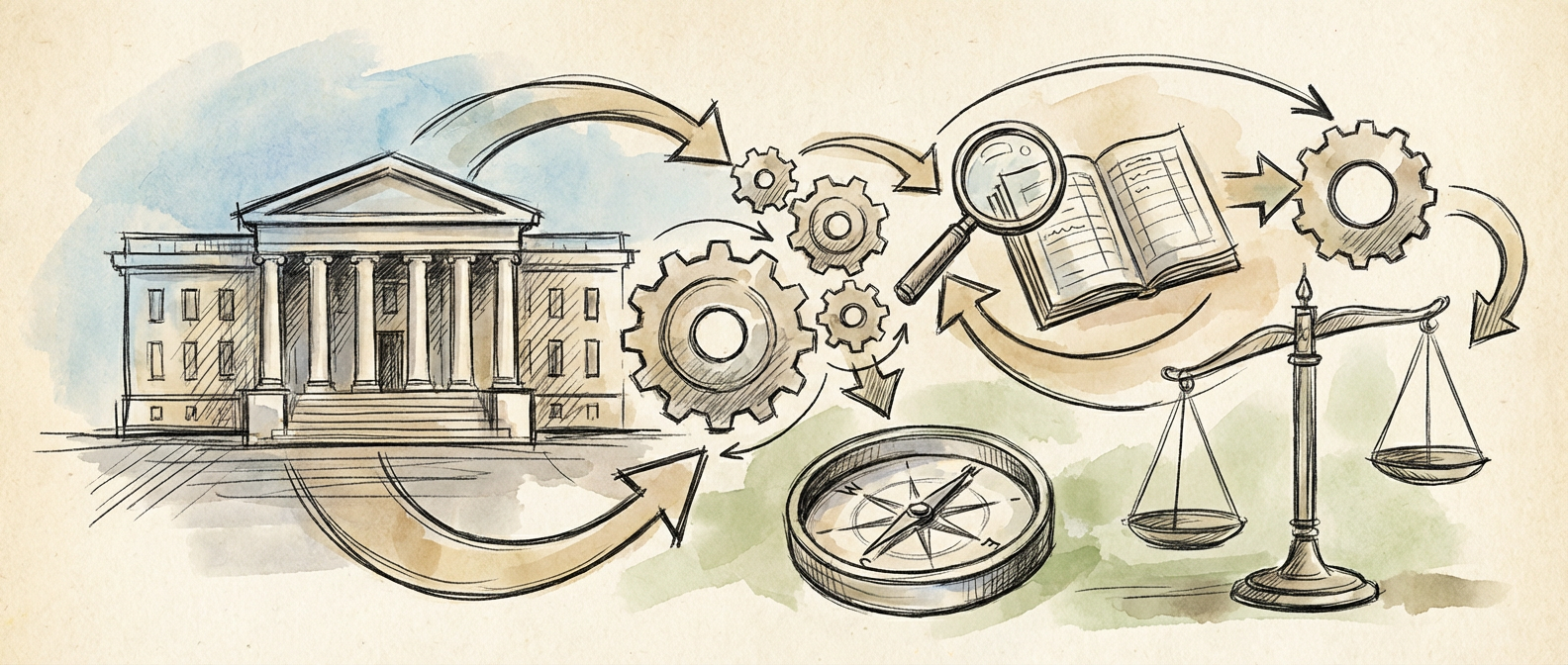
Your Government’s Report Card: How to Track What Actually Gets Done

The Democracy Detective’s Toolkit

Picture this: your city council promises to fix potholes, reduce crime, and improve schools. Six months later, you’re still dodging craters on Main Street while wondering if those campaign promises vanished into thin air. Sound familiar? Here’s the thing: government accountability isn’t a mystery novel. The clues are everywhere, and you don’t need a political science degree to follow them.

Your Government's Report Card: How to Track What Actually Gets Done
Your Government’s Report Card: How to Track What Actually Gets Done

Every level of government churns out paperwork like a bureaucratic assembly line. Meeting minutes, budget documents, voting records, and progress reports pile up in digital archives and filing cabinets. Honestly, it’s overwhelming at first. The challenge isn’t finding evidence of what your representatives are doing. It’s knowing where to look and what questions to ask.

Start with the basics: official government websites. Most municipalities post council meeting agendas, minutes, and voting records online. County and state governments maintain similar databases. Federal agencies publish everything from spending reports to policy updates. The Government Accountability Office releases detailed audits that read like detective stories for policy nerds. Some of these reports are actually fascinating, once you get past the bureaucratic language.

Illustration for Your Government's Report Card: How to Track What Actually Gets Done
Illustration for Your Government’s Report Card: How to Track What Actually Gets Done

Following the Money Trail

Budget documents tell the real story. Politicians can promise the moon, but budgets reveal priorities with mathematical precision. When your mayor talks about investing in infrastructure, check the capital improvements budget. When your governor emphasizes education, examine per-pupil spending trends over multiple years.

Don’t just look at totals. Dig into line items. That $2 million “community development” allocation might fund actual neighborhood improvements, or it could disappear into administrative overhead. I’ve seen too many projects where half the budget goes to “consulting fees” and “program management.” Compare budget proposals to actual expenditures. The gap between promise and performance often lives in those numbers.

Public records laws give you access to detailed financial information. Most states require regular disclosure of government contracts, vendor payments, and employee salaries. Websites like USAspending.gov track federal expenditures down to individual transactions. Local transparency portals are becoming standard in cities nationwide, though some are more user-friendly than others.

Watch for red flags: budget amendments that redirect funds without explanation, contracts awarded without competitive bidding, or sudden increases in “consulting” expenses. These patterns often signal accountability problems before they become front-page scandals.

Measuring Real-World Outcomes

Smart accountability tracking goes beyond inputs to measure actual results. Your city might spend millions on public safety, but are crime rates dropping? The school district could hire more teachers, but are test scores improving? Infrastructure budgets look impressive on paper, but how many miles of road actually got repaired?

Government agencies love publishing performance metrics, but approach these with healthy skepticism. Bureaucrats excel at gaming statistics to tell favorable stories. Crime rates might decline because police change how they classify incidents. Graduation rates could improve through lowered standards rather than better education. I’ve watched school districts celebrate “improved performance” right after making tests easier.

Cross-reference official statistics with independent sources. Local newspapers often maintain their own databases. Civic organizations conduct parallel research. University researchers publish studies on government effectiveness. The Bureau of Labor Statistics, Census Bureau, and other federal agencies provide neutral benchmarks for comparison.

Look for trends over time rather than cherry-picking single data points. Real progress shows consistent improvement across multiple measurement periods. Sudden spikes or dips often indicate changes in how things get measured rather than actual performance shifts.

The Voting Record Reality Check

Voting records provide the clearest window into representative priorities. Campaign rhetoric vanishes, but votes remain permanently documented. Track how your representatives vote on issues you care about. Do their actions align with their promises? You might be surprised by what you find.

Pay attention to committee work and procedural votes. These often matter more than high-profile floor votes that generate headlines. A representative might vote for the final education bill while consistently opposing amendments that would strengthen it. Committee assignments reveal where representatives focus their actual energy, not just their public talking points.

Attendance matters too. Representatives who miss critical votes or committee meetings aren’t effectively representing constituents. Some organizations track attendance rates and make this information publicly available. Nothing irritates me more than representatives who skip important votes and then complain about the outcomes.

Document patterns over full terms rather than isolated votes. Politicians sometimes cast symbolic votes knowing the outcome is already decided. Look for consistency across related issues and multiple legislative sessions.

Building Your Accountability System

Create a simple tracking system that works for your schedule and interests. Pick three to five issues you care about most. Set calendar reminders to check progress quarterly. Build a folder system for storing relevant documents and links. Don’t try to track everything at once, or you’ll burn out quickly.

Many accountability tracking tools already exist. GovTrack.org follows federal legislation and voting patterns. Ballotpedia provides comprehensive information on state and local politics. Local good government groups often maintain scorecards on city council or county commissioner performance. Start with these resources before reinventing the wheel.

Connect with other engaged citizens. Join neighborhood associations, attend public meetings, or participate in online civic forums. Collective tracking efforts are more effective than individual research. Share findings through letters to editors, social media posts, or community presentations. Plus, it’s more fun to investigate with other people who actually care.

Remember that accountability is an ongoing process, not a destination. Government performance evolves constantly. New challenges emerge, priorities shift, and leadership changes. Effective tracking requires patience and persistence. Some months you’ll find exciting progress. Other months you’ll want to bang your head against a wall.

Democracy works best when citizens stay informed and engaged. Your attention creates pressure for better performance. Representatives who know people are watching tend to work harder and make fewer questionable decisions. Start with one issue, one representative, or one budget line item. The democracy detective skills you develop will serve your community for years to come.

Building Advocacy That Lasts: A Systems Approach to Political Engagement Without the Crash

The Burnout Trap Is Built Into How We Think About Change

Political burnout isn’t a personal failing. It’s what happens when advocacy systems are designed for sprints, not marathons. Most political engagement operates on crisis cycles that demand everything from everyone, right now. This creates a mismatch between the urgency of issues and the sustained effort democracy actually needs.

Building Advocacy That Lasts: A Systems Approach to Political Engagement Without the Crash

The traditional model asks individuals to carry weight that belongs to systems. You’re supposed to stay informed about every crisis, contact representatives about every bill, and maintain emotional investment in outcomes that are largely beyond your direct control. This treats advocacy like emergency response rather than civic practice.

Real change happens through institutional pressure applied consistently over time. The civil rights movement succeeded not through constant peak intensity, but through organized, sustained campaigns with clear roles and realistic expectations for individual participants.

Illustration for Building Advocacy That Lasts: A Systems Approach to Political Engagement Without the Crash

Sustainable Advocacy Starts With Strategic Focus

Effective advocates choose their battles based on three things: personal capacity, strategic impact, and where they can actually make a difference. You can’t advocate for everything equally without advocating for nothing effectively. This isn’t about caring less, it’s about channeling care more strategically.

Personal capacity means being honest about your time, energy, and skills. Someone working two jobs has different advocacy capacity than someone with flexible hours and disposable income. Both can contribute meaningfully, but their sustainable involvement looks different. The trick is matching your engagement to your actual circumstances, not your ideal ones.

Strategic impact requires understanding which issues are ready for movement and which are stuck in political gridlock. Local housing policy might be more accessible than federal immigration reform. School board elections might offer more leverage than congressional races. Smart advocates follow opportunity, not just passion.

Leverage points are places where small inputs create large outputs. These often exist at local levels where fewer people participate, making individual voices louder. City council meetings, planning commission hearings, and school board elections consistently offer better return on advocacy investment than national campaigns.

Building Systems That Distribute the Load

Sustainable advocacy needs infrastructure that spreads effort across many people and timeframes. Individual heroes burn out. Systems persist. The most effective advocacy organizations work like well-designed machines where no single part carries all the weight.

This means creating clear roles with defined boundaries. Some people research and track legislation. Others focus on relationship building with officials. Still others handle communications or event planning. When everyone tries to do everything, burnout is inevitable. When responsibilities are divided based on skills and capacity, the work becomes manageable.

Effective advocacy systems also build in rotation and rest. Campaign seasons have natural rhythms that smart organizations use to their advantage. High-intensity periods alternate with planning and relationship-building phases. People step back without abandoning the cause, then return refreshed when their energy is most needed.

Information flow matters enormously. Burnout often comes from feeling simultaneously overwhelmed with information and disconnected from impact. Good advocacy organizations create clear channels that deliver relevant information without noise, and regular feedback about how individual contributions add up to collective progress.

The Long Game: Process Over Personalities

Sustainable advocacy focuses on institutional change rather than electoral outcomes. Elections matter, but they’re just one tool for influencing policy. Building long-term power requires working on the underlying systems that shape political decisions: voter registration processes, redistricting rules, campaign finance structures, and civic education programs.

This approach naturally reduces the emotional volatility that drives burnout. When your advocacy focuses on expanding voting access rather than specific candidates, electoral losses feel less devastating. When you’re working to improve local government transparency rather than stopping particular policies, individual setbacks become data points rather than defeats.

Process-focused advocacy also creates more entry points for different types of contributors. Not everyone can or should be a protest organizer, but many people can help with voter registration drives, attend public meetings, or contribute specific professional skills to advocacy organizations.

The long game recognizes that institutional change happens slowly and requires persistent pressure from multiple angles. This perspective helps advocates maintain engagement through inevitable setbacks while building the sustained power needed for meaningful change.

Creating Accountability Without Guilt

Healthy advocacy communities create accountability systems based on collective capacity rather than individual perfectionism. This means regular check-ins focused on what’s working rather than guilt about what people aren’t doing. It means celebrating small wins and learning from setbacks without personalizing failures that belong to systems.

Clear agreements about roles and expectations prevent the mission creep that burns people out. When someone commits to attending monthly city council meetings, that’s their contribution. They shouldn’t feel guilty about not also phone banking for candidates or organizing protests. Defined commitments create permission to say no to other asks.

Regular evaluation helps groups adjust expectations based on actual capacity rather than theoretical ideals. If half the team is overwhelmed, the solution isn’t working harder. It’s redistributing tasks, recruiting more people, or scaling back ambitions to match available resources.

This approach creates space for people to contribute authentically rather than performing activism for social approval. It acknowledges that everyone has seasons of higher and lower political engagement based on work schedules, family responsibilities, health challenges, and personal circumstances.

Building advocacy systems that last requires treating political engagement like the civic practice it is rather than the emergency it feels like. The crises are real, but addressing them effectively requires the patient work of building institutional power through sustainable practices. What changes would make your own advocacy more sustainable? Start there, and build systems that others can join without burning out.

Your City Council Meeting Is More Important Than Congress (And Here’s Why)

The Pothole Politics That Actually Shape Your Daily Life

Let me tell you about Sarah from Minneapolis. She spent two years complaining about the broken streetlight on her corner that made her evening walks feel unsafe. She posted on neighborhood Facebook groups, called the city’s general number twice, and got nowhere. Then she attended one city council meeting, spoke for three minutes during public comment, and had a new streetlight installed within six weeks.

Your City Council Meeting Is More Important Than Congress (And Here's Why)
Your City Council Meeting Is More Important Than Congress (And Here’s Why)

This is the magic of local government. While cable news obsesses over federal drama, your city council quietly controls the stuff that touches your life every single day. They decide whether that annoying pothole gets fixed. If your neighborhood gets bike lanes. How late the library stays open. What happens to that vacant lot where people dump trash.

Here’s what makes local government so powerful: the closer government gets to your daily routine, the more power you actually have to influence it. Think about this. A federal representative might get 50,000 calls on a big issue. Your city council member probably gets five calls about most topics. Guess whose voice carries more weight?

Illustration for Your City Council Meeting Is More Important Than Congress (And Here's Why)
Illustration for Your City Council Meeting Is More Important Than Congress (And Here’s Why)

Your Democracy Homework Is Easier Than You Think

Start with your address. Seriously. Type it into your city or county website and find out which district you live in. Most cities have maps that show you exactly who represents you at every level. I know it sounds boring, but this part matters. Write down these names: your city council member, county commissioner, school board representative, and mayor.

Next, sign up for your city council’s email list or follow them on social media. Most councils post agendas a week before meetings. This agenda is your roadmap to what’s actually happening in your community. Look for items that mention your neighborhood, local businesses you care about, or issues that mess with your daily commute.

Here’s a pro tip your civics teacher probably never mentioned: staff reports are gold mines. These background documents explain the real story behind agenda items. They’re usually posted online with the agenda and written in surprisingly readable language. A five-minute scan will make you more informed than most people who show up to meetings.

Don’t forget about public records. Want to know how your city spends money? Most budgets are public documents. Curious about that new development going up down the street? Planning documents are usually available online or by simple request. It’s way easier than people think.

Showing Up Is Half the Victory

City council meetings happen in regular cycles, usually twice a month. Mark your calendar and attend one meeting just to see how it works. Bring a notebook and observe the rhythm. Who speaks? How long do items take? What kinds of questions do council members ask? You might be surprised how informal these meetings actually are.

Most meetings have a public comment period where anyone can speak for a few minutes on agenda items or general city business. You don’t need to be an expert or have a perfect speech prepared. Council members want to hear from real residents with real concerns. Honestly, they’re probably grateful someone showed up.

If speaking feels intimidating, start by attending. Your physical presence matters more than you realize. Council members notice when their chambers fill up for specific issues. Empty seats signal that nobody cares. Full seats suggest the community is paying attention.

Committee meetings offer even better access than full council sessions. These smaller gatherings dive deeper into specific topics like parks, transportation, or budget planning. The atmosphere is usually more conversational and less formal than full council meetings. I’ve seen residents have real back-and-forth conversations with council members in these settings.

Building Your Civic Muscles With Small Wins

Pick one hyperlocal issue that genuinely bugs you. Maybe it’s a dangerous intersection, lack of crosswalks near the elementary school, or lousy snow plowing on your street. Research the issue by talking to neighbors, looking up city policies, and understanding who has authority to make changes.

Draft a short email to your council member describing the problem and suggesting a solution. Include photos if relevant. Keep it under 200 words and focus on safety, accessibility, or economic impacts. Real examples work better than abstract complaints. “The intersection at Oak and Main has had three fender-benders this month” beats “traffic safety is important.”

Follow up strategically. If you don’t hear back within two weeks, send a polite reminder. If the issue requires council action, ask when it might appear on an agenda. Most council members have small staff teams, so persistence pays off without being pushy.

Connect with neighbors who share your concerns. Council members take notice when they hear the same issue from multiple residents. A handful of coordinated voices often carries more weight than a lone complaint. Plus, you’ll discover you’re not the only one frustrated by that broken sidewalk.

The Ripple Effects of Local Engagement

Local involvement creates a foundation for understanding larger political systems. When you’ve seen how zoning decisions affect housing costs in your neighborhood, state and federal housing policy makes more sense. When you’ve watched your school board wrestle with budget constraints, education debates become less abstract.

Regular engagement builds relationships with elected officials and city staff who can help you navigate future issues. The council member who remembers you from public comment periods is more likely to take your future concerns seriously. City staff who recognize your name from respectful emails will often provide extra information or context when you need it.

Your local activism often connects you with like-minded neighbors working on related issues. The parent advocating for better school crossings might also care about library funding. The neighbor pushing for bike lanes probably supports public transit improvements. These connections build community networks that can tackle bigger challenges over time.

Small wins create momentum for larger changes. Getting approval for a neighborhood traffic study might lead to broader transportation improvements. Getting a community garden approved might spark wider conversations about food access and green space. You start to see how all these local issues connect.

Democracy works best when it’s a habit, not an emergency response. Start small, stay consistent, and watch how your community involvement grows into something bigger than you expected. Your city council meeting this month might seem mundane, but it’s where your neighborhood’s improvements begin taking shape. And honestly? It’s way more interesting than you think once you start paying attention.

Why Your Great-Grandmother Had Better Voter Guides Than You Do

The Lost Art of Knowing Your Candidates

Picture this: 1932, height of the Great Depression. Your great-grandmother walks into her polling place clutching a hand-typed sheet listing every candidate for city council, school board, and water commissioner. She knows their positions on local relief programs, where they stand on public works projects, even their voting records from previous terms. The local newspaper printed detailed questionnaires. Civic groups hosted forums in church basements. Democracy felt immediate because it was.

Fast forward to today. You’re staring at your sample ballot two days before the election, Googling “who is running for soil and water conservation district” at midnight. Something went wrong along the way. The tools for informed local voting didn’t disappear because democracy got too complicated. They vanished because we stopped demanding them.

When Newspapers Actually Covered School Board Races

Local newspapers once treated municipal elections like the civic events they are. The Akron Beacon Journal in 1955 didn’t just endorse candidates. They published biographical sketches, tracked down voting records, and asked substantive questions about zoning laws and budget priorities. Reporters attended every candidate forum because their readers expected coverage of races that would determine property taxes and snow removal schedules.

Today’s media landscape makes this coverage seem quaint, but the underlying need hasn’t changed. Your city council still decides whether that pothole gets fixed. School board members still determine class sizes and curriculum. The difference is information accessibility. Where once you could count on comprehensive local reporting, now you’re lucky to find candidate websites that tell you more than their favorite pizza topping.

This information vacuum doesn’t happen by accident. Local races often have minimal campaigning and even less media attention because everyone assumes nobody cares. It becomes a self-fulfilling prophecy where low information leads to low turnout, which reinforces the perception that these races don’t matter.

The Civic Organizations That Built Better Voters

The League of Women Voters emerged from the suffrage movement in 1920 with a radical idea: voters deserved nonpartisan information about every race on their ballot. Local chapters organized candidate forums, published detailed voter guides, and made civic engagement feel like a community responsibility rather than individual homework. They understood that democracy works best when participation is informed and widespread.

Mid-century America had dozens of civic organizations that took voter education seriously. Rotary clubs hosted mayoral debates. Parent-teacher associations grilled school board candidates about budget priorities. Even labor unions and business groups published voting recommendations based on careful candidate research. These groups created multiple pathways for citizens to learn about local races.

These organizations haven’t disappeared, but their influence has waned as community life became more fragmented. The challenge isn’t recreating 1950s civic culture wholesale. It’s adapting the underlying principle that informed voting requires community infrastructure, not just individual initiative.

Digital Tools That Actually Work

Modern voter guide platforms like Ballotpedia and Vote411 show what’s possible when technology helps civic engagement. Ballotpedia’s local candidate profiles include detailed biographical information, campaign finance data, and responses to standardized questionnaires. For the 2023 municipal elections in Virginia Beach, their guides had comprehensive information about city council races that local media barely covered.

Successful digital voter guides share common features: they present information without editorial commentary, use consistent formats that make comparison easy, and include races for every office on your ballot. The best platforms also integrate practical voting information like polling locations, early voting schedules, and registration deadlines. They treat civic participation as a process, not just an event.

The most effective local voter guides often come from unexpected sources. In Portland, Oregon, a group called the Bus Project creates comprehensive guides that include candidate positions on housing, transportation, and climate policy. Their format is accessible without being simplistic, proving that voter education can be both thorough and engaging when communities prioritize it.

Building the Voter Guide Your Community Deserves

Creating better local voter information starts with understanding what your community already has. Check whether your local League of Women Voters chapter publishes guides. Look for nonpartisan civic groups that might coordinate candidate forums. Many communities have these resources but don’t promote them effectively. Sometimes the information exists but lives buried on municipal websites or in community newsletters with limited circulation.

If comprehensive guides don’t exist, consider what you can build. Contact candidates directly with standardized questions about their priorities and experience. Attend city council or school board meetings to understand current issues and incumbent voting patterns. Partner with local organizations that might help distribute information or host candidate events. The goal isn’t creating perfect voter guides immediately, but establishing that your community values informed participation.

The most sustainable voter guide efforts connect to ongoing civic engagement rather than treating elections as isolated events. Communities with strong voter information typically have residents who attend public meetings, follow municipal budgets, and stay connected to local decision-making year-round. Election season becomes the culmination of continuous civic attention rather than a frantic information gathering sprint.

Your great-grandmother’s voter guide wasn’t better because people were inherently more civic-minded in 1932. It existed because communities demanded it and created infrastructure to support it. The question facing your neighborhood isn’t whether you deserve equally good voter information. It’s whether you’re willing to build it.

Why Local Voter Guides Are Democracy’s Secret Weapon (And How to Build One That Actually Works)

The Forgotten Lesson of 1840s New England Town Meetings

Picture this: It’s 1843 in Concord, Massachusetts. Citizens are filing into the town hall, clutching handwritten notes about road repairs, school funding, and the controversial proposal to build a new bridge. What made these meetings work wasn’t just civic duty. It was preparation. Neighbors spent weeks before each gathering creating informal “voter guides” — lists of candidates, summaries of proposals, and notes on who stood where on local issues.

Why Local Voter Guides Are Democracy's Secret Weapon (And How to Build One That Actually Works)
Why Local Voter Guides Are Democracy’s Secret Weapon (And How to Build One That Actually Works)

These weren’t partisan hit pieces. They were practical tools born from necessity. When your vote directly determined whether your children had a schoolhouse or your farm had access to market roads, you needed real information. The smartest citizen-organizers of that era understood something we’ve forgotten: democracy works best when voters show up informed, not just enthusiastic.

Today’s local voter guides do the same job, though the stakes feel both smaller and larger. Your city council vote might not determine whether crops reach market, but it absolutely shapes housing policy, police budgets, and climate resilience in your neighborhood. The challenge remains the same. We still need to transform complex local governance into digestible, actionable information for busy citizens.

What Makes a Local Voter Guide Actually Useful

The best voter guides share three characteristics with those handwritten notes from 1840s New England: they’re specific, they’re local, and they focus on what candidates will actually do in office. Generic candidate statements about “fighting for working families” mean nothing at the school board level. What matters is whether a candidate supports the new math curriculum or opposes the proposed boundary changes.

Start with the races voters struggle with most. In presidential years, people research the top of the ticket and guess on everything else. Your guide should flip that priority. Spend minimal space on contested congressional races that get media coverage. Instead, dig deep on the judicial retention votes, the soil and water conservation district seats, and the municipal bond measures that will shape daily life for the next decade.

The magic happens in the questions you ask candidates. Forget the broad policy positions available on their websites. Ask about budget specifics: “The city faces a $2.3 million shortfall next year. Which three spending categories would you cut first?” Ask about process: “Describe a time you changed your mind about a local issue based on community input.” Ask about trade-offs: “If federal infrastructure funding requires local matching funds, which projects would you prioritize and which would you delay?”

Learning from the League of Women Voters’ Century of Experience

The League of Women Voters has been perfecting this art since 1920, and their approach offers time-tested lessons for anyone creating local voter guides. Their secret weapon isn’t neutrality, it’s methodical consistency. Every candidate gets identical questions, identical formatting, identical word limits. This isn’t just fairness, it’s practical psychology. Voters can compare apples to apples instead of getting lost in campaign rhetoric.

The League’s most valuable innovation is the candidate forum format that feeds into written guides. They learned that candidates reveal more about their governing style in live Q&A sessions than in written questionnaires. Watch how candidates handle unexpected questions. Do they pivot to talking points or engage directly? Do they acknowledge complexity or offer simple solutions to complicated problems? These behavioral observations belong in your voter guide alongside policy positions.

Modern technology amplifies these historical lessons. Record candidate forums and include QR codes linking to full responses. Create side-by-side comparison charts for bond measures and ballot initiatives. Use simple infographics to explain how local government actually works. Many voters don’t know whether their city uses a council-manager system or if their mayor has real executive power.

The Mechanics of Building Community Trust

Here’s what separates amateur voter guides from ones that actually influence elections: credibility building happens before the first candidate interview. The most effective guide-makers spend months establishing relationships with local journalists, longtime civic volunteers, and representatives from different community organizations. They’re transparent about their methodology and invite feedback on their question development.

This groundwork matters because local politics runs on relationships and reputation. Voters need to trust your guide before they’ll use it to make decisions. Start by partnering with established community groups like libraries, neighborhood associations, chambers of commerce rather than going it alone. Co-sponsorship signals that your guide helps the community’s information needs rather than any particular political agenda.

Timing is everything in local elections. Release your guide early enough for voters to digest the information but late enough to capture any late-breaking developments. Most experienced guide-makers aim for two to three weeks before election day, with a shorter “final update” version released during the last week of early voting.

Making Your Guide Accessible Where Democracy Actually Happens

The most beautifully researched voter guide means nothing if it sits unread on a campaign website. Think like a voter rushing through their day. Where do people naturally encounter election information? Coffee shop bulletin boards. Library entrance tables. Senior center newsletters. Church bulletins. Social media feeds during the evening scroll.

Format matters enormously for local races. Create a wallet-sized version highlighting just the offices and measures on each precinct’s ballot. Many voters screenshot or photograph these condensed versions for reference in the voting booth. Design with smartphones in mind: clear fonts, high contrast, essential information only.

The historical parallel here reaches back to the populist movements of the 1890s, when farmer-organizers distributed election information at grange halls, church socials, and county fairs. They understood that civic engagement happens where community already exists, not where campaigns want it to happen. Your voter guide should follow people’s existing routines rather than demanding they create new ones.

Building an effective local voter guide takes patience, relationships, and genuine curiosity about how your community makes decisions. It’s unglamorous work that rarely gets credit but consistently moves the needle on voter turnout and engagement. The best part? Every election cycle teaches you something new about what voters need and how local democracy actually functions. What questions are you most curious about asking candidates in your next local election?

Why Local Voter Guides Are Democracy’s Secret Weapon (And How to Build One That Actually Works)

The Forgotten Lesson of 1840s New England Town Meetings

Picture this: It’s 1843 in Concord, Massachusetts. Citizens are filing into the town hall, clutching handwritten notes about road repairs, school funding, and the controversial proposal to build a new bridge. What made these meetings work wasn’t just civic duty. It was preparation. Neighbors spent weeks before each gathering creating informal “voter guides” — lists of candidates, summaries of proposals, and notes on who stood where on local issues.

Why Local Voter Guides Are Democracy's Secret Weapon (And How to Build One That Actually Works)
Why Local Voter Guides Are Democracy’s Secret Weapon (And How to Build One That Actually Works)

These weren’t partisan hit pieces. They were practical tools born from necessity. When your vote directly determined whether your children had a schoolhouse or your farm had access to market roads, you needed real information. The smartest citizen-organizers of that era understood something we’ve forgotten: democracy works best when voters show up informed, not just enthusiastic.

Today’s local voter guides have the same essential job, though the stakes feel both smaller and somehow bigger at once. Your city council vote might not determine whether crops reach market, but it absolutely shapes housing policy, police budgets, and climate resilience in your neighborhood. The challenge hasn’t changed — we still need to turn complex local governance into digestible, useful information for busy citizens.

What Makes a Local Voter Guide Actually Useful

The best voter guides share three characteristics with those handwritten notes from 1840s New England: they’re specific, they’re local, and they focus on what candidates will actually do in office. Generic candidate statements about “fighting for working families” mean nothing at the school board level. What matters is whether a candidate supports the new math curriculum or opposes the proposed boundary changes.

Start with the races voters struggle with most. In presidential years, people research the top of the ticket and guess on everything else. Your guide should flip that priority. Spend minimal space on contested congressional races that get media coverage. Instead, dig deep on the judicial retention votes, the soil and water conservation district seats, and the municipal bond measures that will shape daily life for the next decade.

The magic happens in the questions you ask candidates. Skip the broad policy positions available on their websites. Ask about budget specifics: “The city faces a $2.3 million shortfall next year. Which three spending categories would you cut first?” Ask about process: “Describe a time you changed your mind about a local issue based on community input.” Ask about trade-offs: “If federal infrastructure funding requires local matching funds, which projects would you prioritize and which would you delay?”

Learning from the League of Women Voters’ Century of Experience

The League of Women Voters has been perfecting this art since 1920. Their approach offers time-tested lessons for anyone creating local voter guides. Their secret weapon isn’t neutrality — it’s methodical consistency. Every candidate gets identical questions, identical formatting, identical word limits. This isn’t just fairness; it’s practical psychology. Voters can compare apples to apples instead of getting lost in campaign rhetoric.

The League’s most valuable innovation is the candidate forum format that feeds into written guides. They learned that candidates reveal more about their governing style in live Q&A sessions than in written questionnaires. Watch how candidates handle unexpected questions. Do they pivot to talking points or engage directly? Do they acknowledge complexity or offer simple solutions to complicated problems? These behavioral observations belong in your voter guide alongside policy positions.

Modern technology amplifies these historical lessons. Record candidate forums and include QR codes linking to full responses. Create side-by-side comparison charts for bond measures and ballot initiatives. Use simple infographics to explain how local government actually works. Many voters don’t know whether their city uses a council-manager system or if their mayor has real executive power.

The Mechanics of Building Community Trust

Here’s what separates amateur voter guides from ones that actually influence elections: credibility building happens before the first candidate interview. The most effective guide-makers spend months establishing relationships with local journalists, longtime civic volunteers, and representatives from different community organizations. They’re transparent about their methods and invite feedback on their question development.

This groundwork matters because local politics runs on relationships and reputation. Voters need to trust your guide before they’ll use it to make decisions. Start by partnering with established community groups — libraries, neighborhood associations, chambers of commerce — rather than going it alone. Co-sponsorship signals that your guide works for the community’s information needs rather than any particular political agenda.

Timing is everything in local elections. Release your guide early enough for voters to digest the information but late enough to capture any late-breaking developments. Most experienced guide-makers aim for two to three weeks before election day, with a shorter “final update” version released during the last week of early voting.

Making Your Guide Accessible Where Democracy Actually Happens

The most beautifully researched voter guide means nothing if it sits unread on a campaign website. Think like a voter rushing through their day. Where do people naturally encounter election information? Coffee shop bulletin boards. Library entrance tables. Senior center newsletters. Church bulletins. Social media feeds during the evening scroll.

Format matters enormously for local races. Create a wallet-sized version highlighting just the offices and measures on each precinct’s ballot. Many voters screenshot or photograph these condensed versions for reference in the voting booth. Design with smartphones in mind — clear fonts, high contrast, essential information only.

The historical parallel here reaches back to the populist movements of the 1890s, when farmer-organizers distributed election information at grange halls, church socials, and county fairs. They understood that civic engagement happens where community already exists, not where campaigns want it to happen. Your voter guide should follow people’s existing routines rather than demanding they create new ones.

Building an effective local voter guide takes patience, relationships, and genuine curiosity about how your community makes decisions. It’s unglamorous work that rarely gets credit but consistently moves the needle on voter turnout and engagement. The best part? Every election cycle teaches you something new about what voters need and how local democracy actually functions. What questions are you most curious about asking candidates in your next local election?

The Infrastructure of Democracy: How Voting Rights Protection Actually Works

Beyond the Headlines: What Voting Rights Protection Really Means

When we talk about voting rights protection, we’re not just discussing abstract principles or campaign talking points. We’re looking at the concrete infrastructure that determines whether democracy actually works. This infrastructure includes everything from voter registration databases to polling place accessibility, from ballot design standards to poll worker training programs.

The protection of voting rights operates through multiple connected systems. Federal legislation like the Voting Rights Act creates baseline standards. State laws determine implementation details. Local election officials manage day-to-day operations. Courts interpret disputes. Civil rights organizations monitor compliance. Each layer is both a safeguard and a potential point of failure.

Understanding this complexity matters because effective advocacy requires knowing where pressure points exist within the system. A voting rights violation might come from outdated voter registration software, inadequate poll worker training, or deliberately restrictive state legislation. The response strategy depends entirely on identifying the real cause.

The Mechanics of Federal Oversight

The federal framework for voting rights protection centers on the Voting Rights Act of 1965, though its enforcement mechanisms have changed dramatically since the Supreme Court’s 2013 decision in Shelby County v. Holder. Originally, Section 5 required certain states with histories of discrimination to get federal approval before changing voting procedures. This preclearance system was proactive, catching problems before they affected elections.

Today’s federal oversight relies heavily on Section 2, which prohibits voting practices that discriminate based on race or language minority status. This creates a reactive system where violations must be challenged in court after implementation. The Department of Justice can file lawsuits, but so can private parties, creating a distributed enforcement network that includes civil rights organizations, voting rights groups, and affected communities.

Federal election standards also come from other sources. The Help America Vote Act of 2002 set minimum standards for voting equipment and created the Election Assistance Commission. The Americans with Disabilities Act requires accessible polling places. The National Voter Registration Act standardizes voter registration procedures. These overlapping authorities create a complex regulatory environment that election officials must navigate.

State-Level Innovation and Restriction

State governments work as laboratories for both expanding and restricting voting access, often simultaneously. In 2023 alone, states passed over 400 election-related bills. Some expanded early voting, automatic voter registration, or mail-in voting options. Others imposed new voter ID requirements, reduced polling hours, or restricted mail ballot procedures.

The variation in state approaches shows how structural choices shape democratic participation. Consider voter registration systems. States with automatic voter registration see much higher registration rates than those requiring manual registration. States with online registration processes register voters more efficiently than those relying only on paper forms. These aren’t partisan outcomes but structural ones driven by system design choices.

State-level voting rights protection also operates through election administration standards. Some states require extensive poll worker training and provide detailed procedure manuals. Others offer minimal guidance. Some mandate backup voting systems in case of equipment failure. Others leave contingency planning to local discretion. These administrative details directly impact whether elections run smoothly and whether all eligible voters can participate.

Local Implementation and Community Organizing

Local election officials occupy the front lines of voting rights protection, translating federal and state requirements into operational reality. County clerks, election supervisors, and municipal election administrators make thousands of decisions that collectively determine how democracy functions in practice. They choose polling locations, hire poll workers, design ballots, and respond to Election Day problems.

Community organizing around voting rights often focuses on this local level because that’s where change can happen most directly. Advocacy groups monitor polling place accessibility, track voter registration processing times, and document Election Day problems. They attend election board meetings, submit public records requests, and build relationships with local officials. This grassroots monitoring creates accountability that complements formal oversight.

Effective local organizing requires understanding both the legal framework and the practical constraints election officials face. Budget limitations affect how many polling places can be staffed. Equipment vendor contracts determine what voting technology is available. State procurement rules influence ballot printing timelines. Successful advocacy works within these constraints while pushing for maximum voter access.

The most sustainable voting rights protections come from ongoing community engagement rather than crisis-driven mobilization. Regular attendance at election board meetings, consistent communication with election officials, and systematic documentation of election administration creates institutional knowledge and relationship capital that pays dividends when problems arise.

Building Resilient Democratic Infrastructure

Protecting voting rights requires thinking systematically about democratic infrastructure resilience. This means identifying single points of failure, creating backup systems, and building institutional capacity for problem-solving. It means training poll workers extensively, maintaining backup voting equipment, and developing clear procedures for handling disputes.

Resilient voting systems also require ongoing investment in technology, training, and public education. Voter education campaigns help citizens understand registration requirements and voting procedures. Poll worker recruitment ensures adequate staffing. Equipment maintenance prevents technical failures. These unglamorous administrative functions form the foundation of democratic participation.

The goal isn’t perfect elections but rather systems robust enough to handle inevitable problems without disenfranchising voters. This requires both technical competence and institutional accountability. It requires election officials who understand their role as democracy’s stewards and communities engaged enough to hold those officials accountable.

If you’re interested in strengthening voting rights protection in your community, start by learning how elections actually work in your jurisdiction. Attend a local election board meeting. Request a polling place accessibility audit. Volunteer as a poll worker. The most effective democracy advocates understand the systems they’re trying to improve, and there’s always more to learn about how the machinery of democracy operates in practice.

Your Local Government’s Digital Paper Trail: A Citizen’s Guide to Modern Accountability Tracking

The New Tools of Democratic Oversight

Twenty years ago, tracking what your city council actually did with your tax dollars meant camping out in dusty municipal offices, photocopying meeting minutes, and hoping the clerk remembered where they filed last month’s budget documents. Today, a growing number of cities and counties are building digital accountability systems that put this information at your fingertips. The question isn’t whether these tools exist anymore. It’s whether you know how to use them effectively.

Modern government accountability tracking operates through three main channels: official transparency portals, legislative databases, and financial disclosure systems. Each has a different function, but together they create what transparency advocates call the “accountability ecosystem.” Understanding how these systems work, and their limitations, turns casual civic engagement into informed oversight.

The best part? Most of these systems are designed for regular citizens, not policy experts. You don’t need a law degree to follow the money or track a zoning decision from proposal to final vote. You just need to know where to look and what questions to ask.

Following the Money Trail

Municipal budgets tell stories that campaign promises never capture. When a mayor talks about “prioritizing public safety,” the budget shows whether that means hiring more police officers, upgrading emergency services, or increasing community mental health programs. When council members debate “infrastructure investment,” spending records reveal whether they mean fixing potholes or building new parking garages downtown.

Most city and county websites now include searchable budget databases where you can trace spending by department, vendor, or project. Look for sections labeled “Open Data,” “Transparency,” or “Financial Disclosure.” The City of Boston’s financial dashboard, for example, lets residents track spending in real-time, down to individual purchase orders. You can see that the Parks Department spent $12,000 on new playground equipment last month, or that the mayor’s office hired a consulting firm for $85,000 to study traffic patterns.

But raw spending data only tells part of the story. The tough part is learning to spot patterns and anomalies. Why did the fire department’s equipment budget increase 300% this year? Is that new software contract a one-time expense or recurring cost? Which vendors appear repeatedly across multiple departments, and what does that suggest about procurement practices?

Contract databases deserve special attention. These repositories show not just what governments buy, but from whom and under what terms. Emergency contracts, no-bid agreements, and cost overruns become visible when you know how to search these systems systematically.

Decoding Meeting Minutes and Voting Records

City council and school board meetings generate thousands of pages of documentation each year. Audio recordings, written transcripts, voting tallies, and supporting documents create an exhaustive record of local democracy in action. The challenge isn’t accessing this information. It’s processing it efficiently.

Modern legislative tracking systems organize this chaos into searchable formats. You can follow specific issues across multiple meetings, track how individual officials vote on recurring topics, or identify when agenda items get mysteriously postponed or modified. The key is understanding the difference between procedural votes and substantive policy decisions.

Pay attention to consent calendars, where multiple items get approved in single votes. Local officials often bury controversial decisions in these omnibus packages, knowing few residents will scrutinize routine approvals. Similarly, watch for executive session minutes, which reveal what officials discuss behind closed doors within legal constraints.

Voting pattern analysis reveals more than individual decisions. Does your representative consistently vote with the same coalition? Do they change positions on similar issues depending on which neighborhood is affected? These patterns emerge clearly when you track votes systematically over time rather than focusing on isolated decisions.

Campaign Finance and Conflict Tracking

Local campaign finance operates differently than state and federal elections, but the influence patterns are often more direct and concentrated. A $500 donation to a city council candidate represents significant influence in most municipal races. Real estate developers, local business associations, and union locals typically account for the largest contributions, creating clear incentive structures for elected officials.

Most states maintain searchable campaign finance databases that include municipal races. Cross-reference these records with voting patterns on relevant issues. When council members vote on zoning changes, development permits, or business regulations, their campaign contributors often have direct financial stakes in the outcomes.

Conflict of interest disclosures provide another accountability layer. Officials must typically report financial interests, business relationships, and family connections that might influence their decisions. These disclosures become meaningful when you connect them to specific votes and policy positions.

Ethics complaints and investigation records, when publicly available, offer insight into accountability enforcement. Some jurisdictions publish summaries of ethics violations, sanctions, and ongoing investigations. Others require formal records requests, but the information exists and creates important deterrent effects when citizens actively monitor compliance.

Building Your Personal Accountability System

Effective government tracking requires systematic approaches rather than sporadic attention. Set up Google alerts for key officials, important issues, and your local government’s name combined with terms like “contract,” “budget,” or “investigation.” Many municipal websites offer email subscriptions for meeting agendas, budget updates, and public notices.

Create simple spreadsheets to track recurring issues over time. Note when problems first appear in public records, how officials respond, what solutions get proposed, and whether promises get fulfilled. This approach reveals accountability patterns that single-incident reporting misses completely.

Connect with other residents doing similar tracking work. Local civic organizations, neighborhood associations, and issue-based advocacy groups often maintain informal networks for sharing information and coordinating oversight efforts. These collaborations multiply individual efforts and create sustainable monitoring systems.

The most important skill in accountability tracking is learning to distinguish between normal governmental friction and genuine misconduct. Bureaucratic delays, budget shortfalls, and policy disagreements are democracy working as designed. Undisclosed conflicts, mysterious contract amendments, and repeated ethical violations represent system failures that demand citizen response.

Government accountability tracking works best as a community effort rather than individual crusade. Start with issues you care about personally, learn the systems that govern them, then share your knowledge with neighbors facing similar concerns. Democracy improves when more people understand how to watch it work.

Your City Budget Isn’t Boring—It’s a Blueprint for Your Daily Life

The Numbers Behind Your Morning Commute

That pothole you dodge every morning on Maple Street? It’s line item 4.2.7 in your city’s transportation budget. The streetlight that’s been flickering for three months? Capital improvements, section 6B. Your municipal budget isn’t some abstract document gathering dust in city hall. It’s the financial DNA of your neighborhood, determining whether your trash gets picked up on time and if there’s a librarian at your branch on weekends.

Your City Budget Isn't Boring—It's a Blueprint for Your Daily Life
Your City Budget Isn’t Boring—It’s a Blueprint for Your Daily Life

Most residents never crack open their city’s budget, and honestly, I get it. These documents can run 200+ pages of dense tables and bureaucratic language. But here’s what changed my perspective: I started tracking one simple thing. I followed my property tax dollars for a full year, from payment to payout. Turns out, 47% went to schools, 23% to police and fire, 15% to infrastructure, and the rest scattered across parks, libraries, and municipal services. Those abstract millions suddenly had faces and street addresses.

Once you realize every budget line connects to something you actually experience, everything clicks. That $2.3 million for street maintenance isn’t just numbers, it’s the difference between smooth bike lanes and busted suspension springs. The $890,000 for after-school programs translates to kids having safe places to go when school ends. Budget meetings stop feeling like accounting seminars and start feeling like planning sessions for the community you want to live in.

Reading Between the Lines: What Budgets Really Tell You

Here’s your crash course in municipal budget literacy. Start with the pie chart, every decent city budget should have one showing major spending categories. If public safety eats up more than 50% of the general fund, ask why. If parks and recreation gets less than 3%, that’s a red flag for quality of life priorities. These ratios tell stories about what your city values and where it sees problems worth solving.

Look for the year-over-year changes. A 15% increase in code enforcement might signal a push to clean up neglected neighborhoods. A 30% cut to library hours probably means someone made tough choices about what matters most. Pay special attention to capital expenditures, the big-ticket items like road reconstruction, building repairs, and equipment purchases. These investments shape your city for the next decade.

Revenue sources matter just as much as spending. Cities that rely heavily on sales tax are vulnerable when retail struggles. Those dependent on property taxes face different pressures when housing markets shift. I always check what percentage comes from fees and fines. If it’s more than 10%, your city might be nickel-and-diming residents to balance books. The healthiest budgets diversify revenue and avoid over-reliance on any single source.

Finding Your City’s Money Trail

Every city must publish its budget, but finding it takes some detective work. Start with your city’s website and look for “Budget Documents” or “Financial Reports” under government sections. If the site is terrible (and many are), call city hall directly. Ask for the “adopted budget” and “budget summary.” These are public records you have every right to see.

The summary is your best friend. It’s usually 10-20 pages of highlights and explanations designed for normal humans rather than accountants. Look for sections labeled “Budget Message” or “Manager’s Letter.” These explain the thinking behind major decisions. Did they prioritize economic development over social services? Are they banking on federal grants that might not come through? The reasoning matters as much as the numbers.

Most cities also post budget presentations from council meetings. These PowerPoint decks often include context and comparisons that raw spreadsheets miss. You’ll see how your city stacks up against similar communities, which programs grew or shrank, and what challenges shaped the budget process. I’ve learned more from 20-minute budget presentations than from hours of scrolling through line items.

Turning Analysis Into Action

Knowledge without action is just trivia. Once you understand your city’s financial priorities, you’ve got real power to influence change. Budget cycles typically run 6-12 months, with multiple opportunities for public input. Mark these dates on your calendar: preliminary budget release, public hearings, and final adoption. Show up armed with specific questions about specific line items.

Don’t just complain about what you don’t like, propose alternatives. If you want more money for bike lanes, suggest where cuts could come from. If neighborhood clean-up programs matter to you, research what other cities spend and how they structure these initiatives. Council members respond better to residents who’ve done their homework and offer constructive solutions rather than general frustration.

Build coalitions around budget issues. That underfunded community center affects dozens of families. Those delayed sidewalk repairs impact everyone who walks in your neighborhood. When multiple residents raise the same concerns with supporting data, elected officials take notice. I’ve seen $50,000 swing votes happen because five neighbors showed up to consecutive council meetings with a clear, reasonable request.

Making It Stick: Your Role in the Budget Cycle

Budget advocacy isn’t a once-a-year activity. It’s an ongoing relationship with your city’s financial health. Follow quarterly budget reports to see if actual spending matches approved plans. If the police department blows through its overtime budget by August, that’s worth questioning. If park maintenance consistently comes in under budget, maybe those funds could tackle deferred projects.

Connect with other residents who care about municipal finances. Many cities have budget oversight committees with volunteer positions. Neighborhood associations often track budget issues affecting their areas. Even informal groups of engaged citizens can share research and coordinate advocacy efforts. The goal isn’t to become budget wonks, it’s to ensure your community’s financial decisions reflect your community’s values.

Your city budget is democracy in spreadsheet form. Every dollar allocated represents a choice about what kind of community you’re building together. The more residents who engage with these choices, the better those choices become. So grab your city’s budget, pick one section that affects your daily life, and start asking questions. Your neighborhood, and your tax bill, will thank you for it.

Your City’s Money Map: How to Read a Municipal Budget Like a Pro

Why Your City Budget Matters More Than the Federal One

Here’s something that might surprise you: your city budget probably affects your daily life more than anything happening in Washington. That pothole you dodge every morning? Budget line item. The new library branch opening downtown? Budget decision. The number of firefighters responding to emergencies? You guessed it.

Your City's Money Map: How to Read a Municipal Budget Like a Pro
Your City’s Money Map: How to Read a Municipal Budget Like a Pro

Most of us treat municipal budgets like mysterious documents written in ancient code. They’re not. They’re roadmaps showing exactly where your tax dollars go and what your elected officials care about most. Once you know how to read them, you’ll start seeing your city completely differently.

Think of a municipal budget as your city’s annual spending plan, usually running from July to June. It shows projected revenues (money coming in) and expenditures (money going out). But here’s what’s really important: it reveals your city’s actual priorities in cold, hard numbers.

Illustration for Your City's Money Map: How to Read a Municipal Budget Like a Pro
Illustration for Your City’s Money Map: How to Read a Municipal Budget Like a Pro

The Big Three: Where Your Money Actually Goes

Most city budgets break down into three major categories, and understanding these gives you the framework for everything else. First up: public safety, which usually eats the biggest slice of the pie. This includes police, fire department, emergency medical services, and sometimes code enforcement. In many cities, public safety consumes 40-60% of the general fund. Yeah, that much.

Next comes public works and infrastructure. This covers street maintenance, water and sewer systems, parks maintenance, and waste management. These are the services you notice most when they’re broken. The third major category is administrative stuff, including city management, human resources, legal services, and finance departments.

Here’s where it gets interesting: some cities also fund libraries, community development, economic development programs, and social services from their general fund. Others handle these through special districts or county partnerships. This variation is why you can’t just compare your city’s budget to the one next door without digging into what’s actually included.

Revenue Sources: Follow the Money Trail

Cities don’t just magically generate money. They have specific revenue streams, and understanding these helps you grasp the bigger financial picture. Property taxes typically form the backbone of municipal revenue, often providing 30-50% of general fund income. When you hear debates about property tax rates, this is exactly why it matters so much to city operations.

Sales taxes provide another major chunk, though this varies dramatically by state law and local economic conditions. Some cities rely heavily on sales tax from retail centers or tourism, making them vulnerable when the economy tanks. Others have more diversified revenue streams including business licenses, permit fees, utility taxes, and grants.

Don’t overlook enterprise funds, which operate more like businesses within city government. Water and sewer utilities often run as enterprise funds, charging fees directly to users rather than relying on general tax revenue. Understanding whether services are funded through general taxes or user fees explains a lot about how cities structure their finances and why your water bill keeps going up.

Reading Between the Lines: What Numbers Really Tell You

Raw budget numbers only tell part of the story. Smart budget analysis looks at trends over time, not just single-year snapshots. Is your city’s public safety spending increasing faster than overall revenue growth? That might signal either rising crime concerns or expanding services. Has infrastructure spending been declining as a percentage of the budget? That could mean deferred maintenance creating future headaches.

Pay attention to fund balance, which is basically the city’s savings account. A healthy fund balance (typically 15-25% of annual expenditures) provides financial stability during emergencies or revenue shortfalls. Cities with consistently low fund balances might be living paycheck to paycheck, while those with very high balances might be sitting on money instead of addressing community needs.

Look for debt service in the budget, which shows how much the city pays annually on borrowed money for major projects. Reasonable debt levels can finance important infrastructure improvements, but excessive debt service crowds out funding for daily operations and maintenance. It’s like maxing out your credit cards to buy a house, then struggling to pay for groceries.

Your Action Plan: Becoming a Budget Detective

Ready to dig into your own city’s budget? Start with your city’s website, where the current budget should be posted. If it’s not easily findable, that tells you something right there. Most cities publish both a detailed budget document and a citizen-friendly summary. Begin with the summary to get oriented, then dig into the detailed version when you’re ready for the real numbers.

Attend budget hearings, which cities are required to hold as public meetings. These sessions reveal the discussions and trade-offs behind the numbers. You’ll hear about competing priorities, funding challenges, and policy debates that don’t show up in the final budget document. Plus, budget meetings often have terrible attendance, meaning your questions and comments carry more weight.

Connect with local civic groups or neighborhood associations that track budget issues. Experienced community advocates can help you understand local budget patterns and identify which council members ask the smartest questions during budget discussions. They’ve often been watching these trends for years and can provide context you won’t get from documents alone.

Don’t just read one year’s budget. Request copies of the past three to five years to spot trends. Is park maintenance funding declining while the city adds new parks? Are administrative costs growing faster than service delivery? These patterns reveal long-term policy directions that single-year budgets might hide.

Remember, budgets are political documents reflecting community priorities. Your job as an engaged citizen isn’t to become a professional accountant, but to understand how your city allocates resources and whether those choices align with what you want for your community. Once you start reading budgets regularly, you’ll find yourself asking better questions at city council meetings and making more informed decisions on election day. Your city’s financial decisions shape your neighborhood’s future. Now you have the tools to understand exactly how that happens.

The Green Transition’s Reality Check: Why Good Intentions Aren’t Enough

The Clock Is Ticking, But Are We Moving Fast Enough?

The latest climate science delivers a stark message. We have until 2030 to fundamentally reshape how our economies operate, according to the Intergovernmental Panel on Climate Change’s most recent comprehensive assessment. Eight years. That’s barely two presidential terms, three election cycles, or the time it takes to design and build a single major infrastructure project.

Yet across the globe, we’re witnessing an unprecedented mobilization of resources toward decarbonization. Carbon pricing mechanisms now regulate nearly a quarter of global emissions through diverse schemes spanning continents. The United States, European Union, and China are pouring hundreds of billions into green industrial policies. International climate negotiations have finally acknowledged the need for loss and damage funding for vulnerable nations.

The question isn’t whether we’re acting. The question is whether we’re acting with sufficient speed, scale, and honesty about the tradeoffs ahead.

The Policy Momentum Paradox

Today’s green transition is the largest coordinated economic transformation in modern history. Carbon pricing systems stretch from California’s cap-and-trade program to China’s national emissions trading scheme, creating market signals that increasingly influence investment decisions. The Carbon Brief climate analysis reveals these mechanisms are reshaping energy markets faster than many predicted just five years ago.

Meanwhile, industrial policy has returned with a vengeance. The Biden administration’s climate investments dwarf the New Deal in inflation-adjusted terms. Brussels has unveiled its Green Deal Industrial Plan to compete with American subsidies. Beijing continues expanding its renewable energy manufacturing dominance through state-directed investment.

But this apparent consensus masks fundamental disagreements about methodology, timeline, and burden-sharing. Are we coordinating a global response, or engaging in green mercantilism that undermines collective action? The evidence points uncomfortably toward the latter.

The Justice Gap Nobody Wants to Address

Climate policy’s biggest blind spot remains its distributional consequences. Just transition frameworks sound noble in international forums, but the reality facing fossil fuel-dependent communities tells a different story. Coal miners in Appalachia, oil workers in Alberta, and gas employees across the Gulf Coast aren’t seeing credible pathways to comparable employment.

The numbers don’t lie about regional inequality. Green jobs often require different skills, emerge in different locations, and frequently pay differently than the positions they’re meant to replace. Climate policies can drive up energy costs that disproportionately burden working-class households least equipped to invest in efficiency upgrades or electric vehicles.

International justice presents even starker contradictions. COP27’s historic agreement on loss and damage funding for climate-vulnerable nations was a diplomatic breakthrough. But the fund remains dramatically undercapitalized relative to projected needs, while developed nations continue falling short on their existing $100 billion annual climate finance pledge. Good intentions without adequate resources aren’t solidarity, they’re moral theater.

These gaps matter politically because they create constituencies against climate action precisely when we need broader coalitions. Climate Policy Initiative research demonstrates that successful transitions require addressing these concerns directly, not dismissing them as resistance to necessary change.

The Corporate Credibility Crisis

Perhaps nowhere is the gap between rhetoric and reality more apparent than in corporate net-zero commitments. Hundreds of major corporations have pledged carbon neutrality by mid-century, creating an impression of private sector alignment with climate goals. Scratch beneath the surface, however, and the picture grows murkier.

Many corporate climate plans rely heavily on future carbon removal technologies that remain unproven at scale, or offset schemes that don’t deliver promised emission reductions. Others set distant targets that conveniently extend beyond current management tenures, while maintaining business models fundamentally incompatible with rapid decarbonization.

This isn’t necessarily malicious. Transitioning complex global supply chains while maintaining competitive position presents genuine challenges. But the proliferation of questionable climate commitments risks undermining public trust in market-based solutions exactly when we need them most. Greenwashing doesn’t just mislead consumers, it corrupts the policy debate by making voluntary action appear more effective than evidence suggests.

Toward Honest Climate Politics

The green transition faces a credibility test it cannot afford to fail. Climate science demands rapid, comprehensive decarbonization. Economic reality requires managing costs and distributing benefits fairly. Political sustainability depends on building coalitions that acknowledge tradeoffs rather than promising painless solutions.

This means abandoning comfortable fictions. Carbon pricing alone won’t drive sufficient change fast enough. Green jobs won’t automatically replace fossil fuel employment without massive retraining investments. International climate finance requires orders of magnitude more resources than currently committed. Corporate voluntary action needs stronger oversight and accountability mechanisms.

None of this argues against climate action, quite the opposite. The stakes are too high for policies that sound good but fall short on delivery. We need climate politics that level with voters about costs while demonstrating tangible benefits. We need international frameworks that match resource commitments to moral obligations. We need corporate accountability that distinguishes genuine transformation from marketing campaigns.

The climate crisis demands the best of democratic deliberation: honest debate about difficult choices, creative policies that address multiple objectives, and leadership willing to build support for necessary changes rather than overselling easy ones. What aspects of current climate policy do you think need the most urgent reform to meet this standard?

Page 8 of 9