
The Paperwork Explosion Nobody’s Talking About
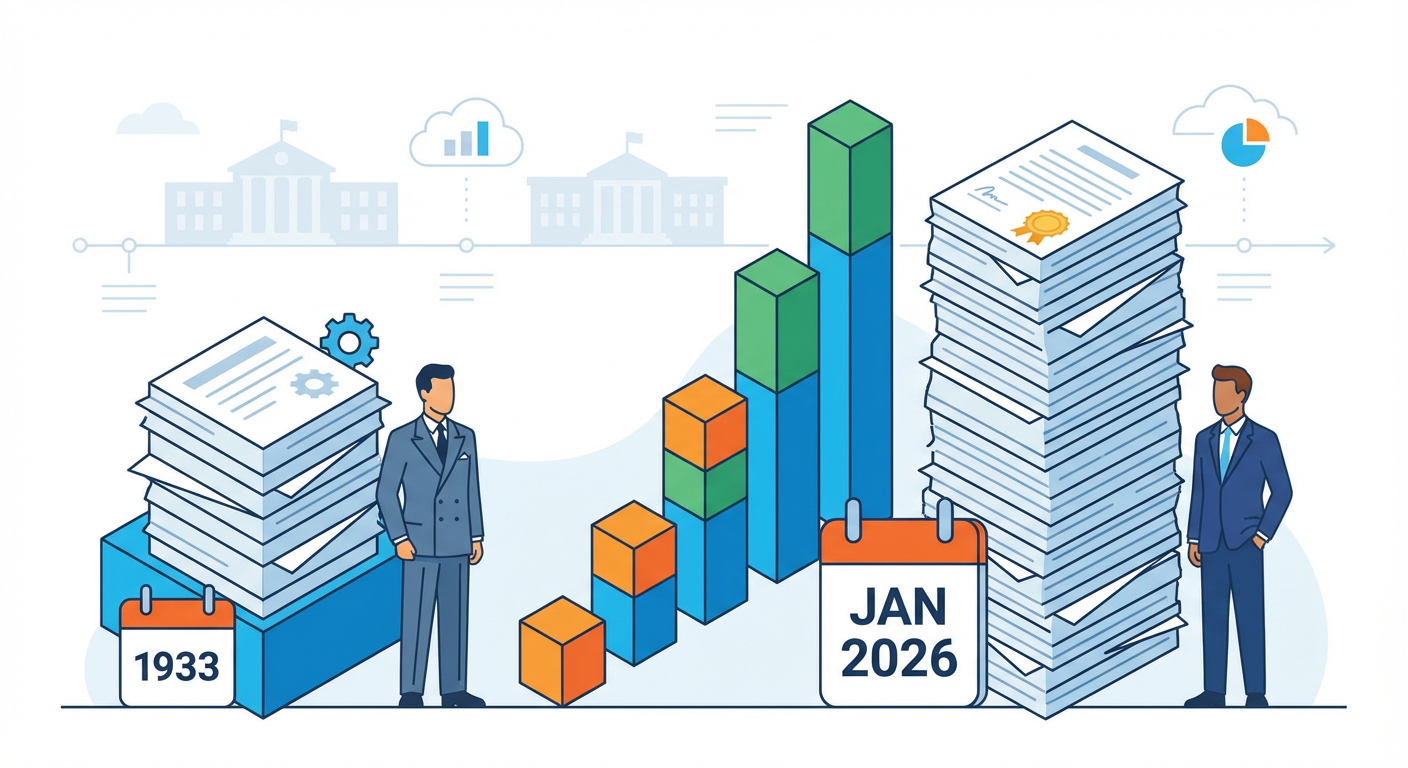
Let’s start with the raw numbers because they matter. By January 2026, the Trump administration had signed over 140 executive orders in its first twelve months. That’s not hyperbole. That’s not spin. That’s historical precedent getting lapped. According to the American Presidency Project executive order database, you have to go back to Franklin Roosevelt’s first year to find a comparable velocity. FDR was governing through the Great Depression. He had active congressional buy-in. He was operating in a genuinely different constitutional moment.

Here’s where it gets interesting: this wasn’t just an executive order binge. This was a methodical implementation campaign. The Heritage Foundation’s Project 2025, that 900-page policy document that became the second Trump administration’s operational bible, got cited as direct inspiration or basis for at least 60 of those actions. That’s according to ProPublica’s meticulous tracking, available in their federal policy change tracker. Sixty documented instances. Not speculation. Not inference. Direct attribution.
What does that mean in practice? It means policy wasn’t being made in the moment. It was being executed from a blueprint that existed before the administration took office. Which raises the actual question worth asking: who wrote the blueprint, and what incentives got baked into it?
The Schedule F Reclassification: How Federal Workers Lost Their Seats at the Table
This is where things got genuinely structural. By mid-2025, approximately 24,000 federal employees had been reclassified under Schedule F. That’s a technical term for something profound: the removal of civil service protections that had existed since the Pendleton Act of 1883. These weren’t senior political appointees. These were mid-level career employees. Scientists. Compliance officers. People with institutional memory.
Schedule F reclassification matters because it stripped merit-based protections and made these jobs subject to at-will employment. Translation: you can get fired because your boss doesn’t like your policy advice. You can get fired because you flagged a regulatory problem. You can get fired because you’re not politically aligned with the new administration.
The incentive structure embedded in this policy is worth naming directly. When you remove job protections from career civil servants, you change who stays in government. You don’t get cautious, experienced administrators. You get loyalists. You get people who understand that their job security depends on alignment, not competence. That’s not conspiracy. That’s organizational behavior. That’s what happens when you restructure incentives.
The Courts Started Pushing Back. Here’s What That Tells Us.
Eighty-three federal judges across multiple districts had issued over 90 nationwide injunctions against executive orders within the first twelve months. Georgetown Law Center on Congressional Studies confirmed it: that’s the highest single-year count in modern judicial history. We’re not talking about one judge disagreeing. We’re talking about a systematic pattern of legal resistance.
Now here’s the thing about federal judges, they’re not activists. They’re institutional conservatives. They care about jurisdictional limits. They care about established law. When you get 90 injunctions in a year, you’re seeing something different. You’re seeing courts concluding that executive authority has extended beyond its constitutional boundaries.
Which orders faced challenges? The ones that tried to defund federal agencies unilaterally. The ones that attempted to strip regulatory authority from career staff. The ones that rewrote enforcement priorities without statutory basis. The ones that assumed presidential power extends further than precedent allows.
The Political Price: It’s Showing Up in the Polling
A January 2026 Gallup poll gave the administration a 44% approval rating. That’s not shocking by itself. What’s actually interesting is the independence problem. Sixty-one percent of independents expressed concern about the pace of changes to federal institutions. That’s the coalition-building problem. That’s the warning sign.
Because here’s what we know about sustainable change in government: it requires some degree of institutional buy-in beyond your base. It requires people who didn’t vote for you to say, “Okay, this is change I can live with.” Sixty-one percent of persuadable voters saying they’re concerned about the pace and scope of institutional change? That’s a constraint. That’s a ceiling.
The Follow-the-Money lens here reveals something important. The Trump administration had a specific coalition backing Project 2025. The Heritage Foundation had skin in the game. Conservative funders had expectations. Corporate interests aligned with deregulation had seats at the table. When you’re executing a blueprint written by those constituencies, you’re not writing policy in response to changing conditions or broad consensus. You’re fulfilling contractual expectations. You’re honoring commitments made before anyone voted.
What This Means for You and How to Actually Track It
Here’s my honest take: understanding this matters not because you should feel outraged or vindicated depending on your politics. It matters because governance works better when citizens understand how incentives shape outcomes. It matters because democracy requires people who can read the receipts.
Start here. Go to that American Presidency Project database I linked. Look at the executive orders chronologically. Pick three that interest you. Then search for what happened next. Did courts block them? Did Congress respond? Did agencies implement them or find workarounds? Then ask: who benefits from this change? Who loses? What problem was this supposedly solving, and is there evidence it actually solved it?
This is what engaged citizenship looks like. Not anger. Not despair. Not blind loyalty. Just disciplined attention to the actual mechanisms of power and the actual consequences of policy. That’s how you become the person in the room who actually understands what’s happening.