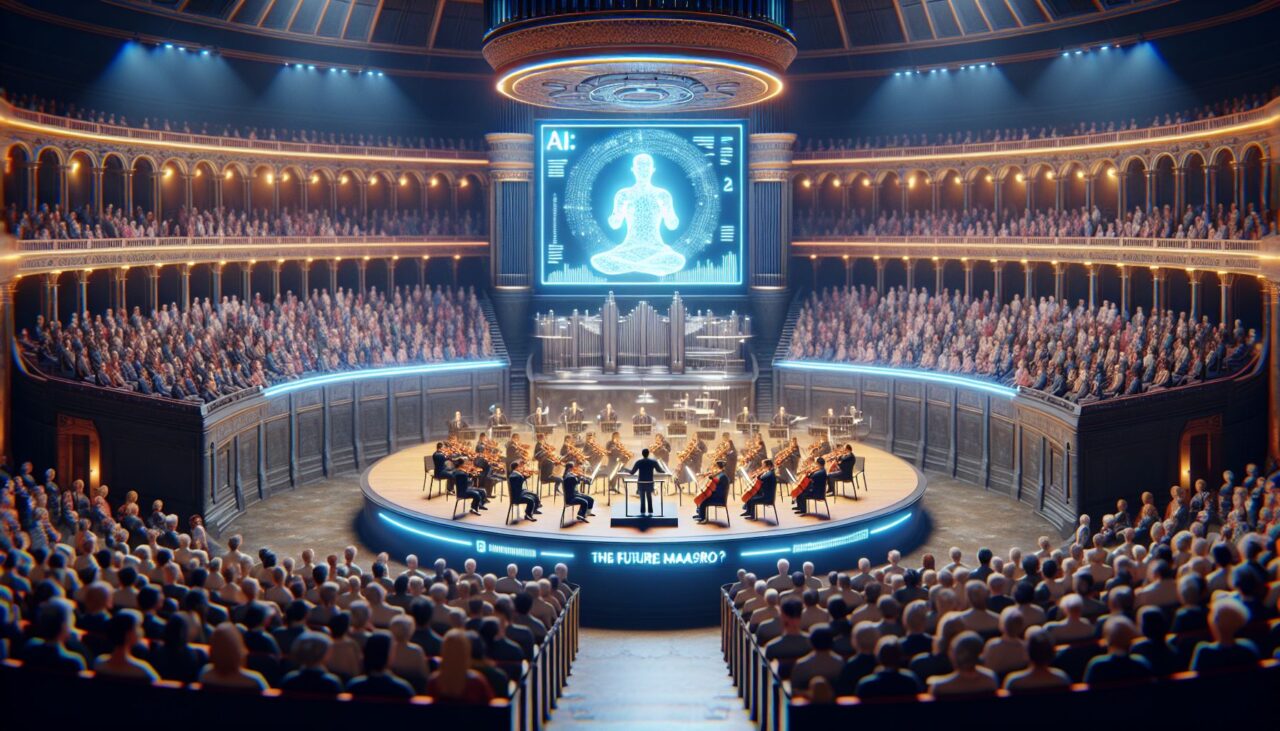
I’ve gotta admit, there’s something pretty fascinating about artificial intelligence getting into creativity. I mean, who would’ve thought a bunch of zeros and ones could turn into music or art? Today, I’m pulling back the curtain on this wild world of AI in the creative arts—a space that’s mixing up everything we thought we knew about human and machine creativity.
The Symphony Begins
Back in the day, the idea of machines creating art was kind of ridiculous, right? Art came from human emotion, our experiences, our weird imaginations. Then AI showed up and flipped everything upside down. Sure, we’ve got technologies cranking out algorithms faster than you can change your Spotify playlist. But can these things actually create music that hits you in the feels?
Meet the Maestros—AI’s First Leap into Music
So here’s what’s happening. Think of projects like OpenAI’s MuseNet or Google’s Magenta. These aren’t just toys messing around with GarageBand. They’re complex neural networks that can compose original music across multiple genres—from jazz to pop, from Mozart to Metallica. MuseNet can simulate a 10-piece orchestra from scratch! You could start your day with Beethoven and end it with a personalized rock ballad, all made by AI.
What’s even more mind-blowing is how these algorithms learn. They consume countless hours of music to create new compositions. Imagine being two clicks away from a personalized symphony that matches your exact mood.
Robots with Paintbrushes: Enter AI Artists
For those of you thinking, “Sure, music, but visual arts? No way!”—get ready to be surprised. Ever heard of DeepDream by Google? If Dali and Picasso somehow merged into one bizarre digital entity, DeepDream is what they’d create. And then there’s Portrait of Edmond de Belamy, an AI-generated artwork that sold for $432,500! Makes my middle school doodles look like finger painting.
AI artists aren’t just creating visual pieces on their own. They’re starting to collaborate with human artists, creating partnerships that are expanding what art can be.
The Emotional Algorithm: Can AI Capture Human Emotion?
Okay, confession time: As a closet romantic and die-hard Radiohead fan, I love art that actually moves me. But can AI replicate that spine-tingling moment or the flood of nostalgia that hits you with an old song?
Turns out it’s not just science fiction. We’re in an era where AI is being trained to recognize, understand, and copy human emotions. Tools like Amper Music are designed to learn emotional cues from data, creating tracks that adjust melody and rhythm to match listeners’ moods. Creepy? A bit. Exciting? Absolutely.
Challenges: The Maestro’s Quandary
But it’s not all smooth sailing. As much as I’d love to get carried away with AI possibilities, there are some tricky problems. Like copyright issues. When AI creates art, who actually owns it? The programmer, the algorithm, or the entire dataset it learned from?
Then there’s the authenticity question. AI can’t actually feel emotions, so is it just copying our feelings, or does it understand something deeper? There’s also a cultural problem—AI art often comes from datasets that might lack diversity, which could spread cultural bias. But then again, we’re all constantly learning, so why not our algorithmic friends?
Looking Ahead: The Crescendo
The future is this beautiful mystery full of endless possibilities. If I can make any confident prediction (and by predict, I mean educated guess wrapped in tech optimism), AI isn’t just going to dabble in the arts. It’s going to completely reshape them. Think immersive art experiences in virtual reality, highly personalized soundscapes for your room, and AI as a collaborator in symphonic concerts!
As we keep pushing our technological boundaries, don’t be surprised if in a couple decades, you find a robot in your favorite band or an AI-generated opera breaking all the traditional rules.
A Note to the Future Explorers
Right now, we’re in the early stages of AI’s artistic abilities. We’re basically musical time travelers, watching the birth of a completely new form of expression. So, are we going to grab the best seats, or are we going to jump onstage ourselves? That’s the real question.
I don’t know about you, but I’m all in for this dance between human and machine—a duet that just might hit all the right notes. Stay tuned because we’re just getting started.
And hey, remember, you heard it here first. 🎶